Smudging is a Native American ritual that links smoke with spirituality in remarkable ways.
This is a common ceremonial ritual among indigenous people, held closely within these cultures to purify, spiritually cleanse, rid physical spaces of negative energy, and bless. So, whether you are a Native American yourself, or simply want to know more about Native American culture to expand your horizons, then continue reading.
In this post, we’ll cover what smudging is, why smudging rituals are conducted in Native American culture, the best herbs to use for smudging, and how to smudge.
What Is Native American Smudging?
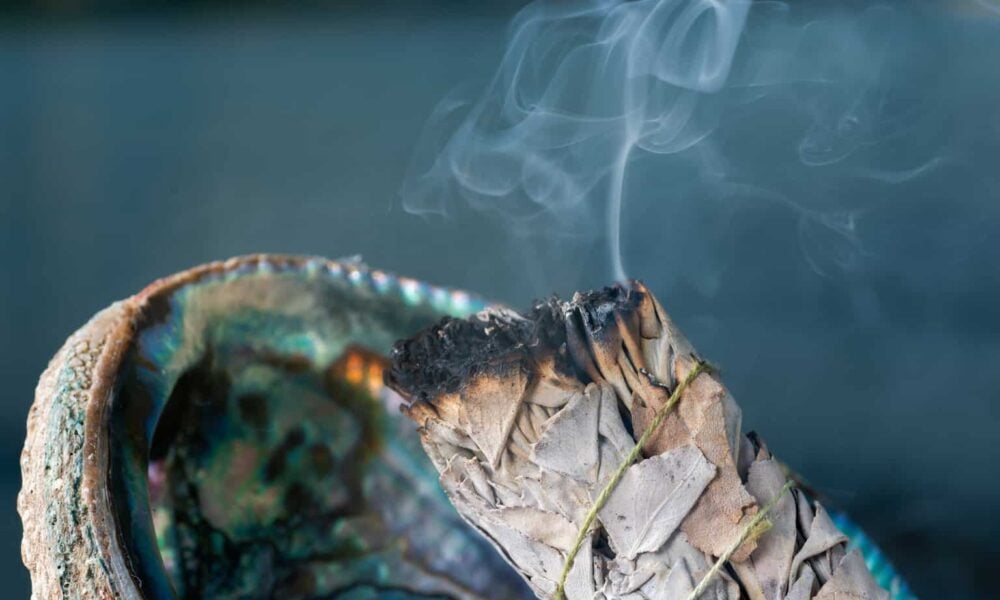
To fully grasp the concept and perform this sacred ritual yourself, it’s important to first take a look at what exactly the practice of smudging entails. By definition, smudging is a ceremony that consists of burning plant herbs and resins in either a clay or shelled bowl while prayers are being done. This results in a smoke cloud formation that is believed to cleanse the air and those within it.
Smudging is, in fact, the most popular ritual used to clear people and places of negative energy they would rather not surround themselves with. As a whole, smudging is used among many Native peoples within the western hemisphere and has played an active role for centuries.
Why Are Smudging Rituals Conducted?
There are several reasons why someone would choose to smudge, but in general, it is to better the lives of people and the places they live. Smudging is the bridge between mortal life and higher realms, bringing in good spirits and eliminating any negative, stagnant ones. This ceremony lifts away any sadness, impurities, and anxieties, and remediates poor health, leaving nothing but peace and harmony for both individuals and the environment after the cleansing.
What Are The Best Herbs To Use?
Before getting into the act of smudging and learning how it is properly done, let’s go over the actual herbs used for smudging so you are fully prepared to either try it yourself or obtain the big picture. For reference, most of the herbs that are used to smudge have antiseptic features, meaning that when burned, they legitimately do purify the air.
No products found.
This smudging kit includes two white sage smudge sticks, two palo santo sticks, an abalone shell bowl and a rose quartz crystal.
- Sage – Sage, both Saliva Apiana (white sage) and Salvia Officinalis (common sage) are healing herbs used. The term “Salvia” comes from the Latin word “salvare,” which means “to feel healthy and well and healing.” Both white sage and common sage are also used to offer strength, clarity, wisdom, and often represent the maternal lineage of women.
- Cedar – Cedar is popular for cleaning and purifying, eliminating the evil spirits within people and objects to remediate balance. Burning cedar is also used to promote positivity and deeply connect humans to the spiritual world.
- Sweetgrass – Known as the hair of Mother Earth, resembling kindness, and widely used by all Native Americans, sweetgrass is believed to carry prayers into the spirit world. The smoke from the herbs is said to take the words and transition them over. It is also known as “holy grass” and when it burns it does not produce an open flame, but a sweetly scented smoke.
- Tobacco – Tobacco is a highly sacred medicine in many cultures and is firmly believed to be the ideal bridge between the human and spiritual worlds. It does not need to be smoked, but is still able to provide spiritual benefits. The use of this acts as a human commitment established and supported by the spiritual world, showing gratitude for the beauty in life.
Though these are the most common herbs used to begin, conduct, or conclude a smudging ceremony, there are some essential oils that are used as well. These include:
- Mugwort
- Desert Lavender
- Yellow Birch
- Carrot seed
- Thuja Oil
- Balsam Fir oil
- Juniper Berry
- Peppermint
- Wormwood
How to Perform Native American Smudging
Now that the main elements have been gone over, it is time to gather your herbs and other items for smudging and begin the process. To start your group circle, or private session, gather up the following items:
- A large clay bowl, clamshell or an abalone shell
- Herbs of your choosing, but be sure to remove the stems
- Wooden matches
- Decent-sized feathers or smudge sticks to wave the smoke (you can also use your hands)
Once you have this all set in place, it is time to begin. If this is the first time you are doing this, then I recommend trying to do a session on your own to really get the hang of it and the feeling it delivers. There are several ways you can conduct this sacred ritual by yourself, but here is a simple one that you can do right at home to practice with.
- If you are partaking of this ritual inside, make sure to open up a window to have a steady airflow. Remember, smoke is the point, but you do not want to get sick from it or set off your smoke alarms!
- Make sure you are fully present and focused. If you are distracted in any way, it can make the smudging process ineffective or not perform as well as it could have.
- Using the match, ignite the herbs inside your bowl and let them flame up for 20 to 30 seconds before you extinguish the fire by holding your hand above it to deprive the oxygen (using your breath to blow it out is not proper).
- Smoke will begin to rise from the herbs in the bowl. Use that to smudge yourself first with the feather or smudge sticks (head first to your feet) and then move to your surrounding space. Make sure to do this slowly and relaxed and cover very corner and item.
- Once you are finished, bring the ashes from the herbs outside and return them back to the soil. This signifies the energy being given back to the earth and shows respect.
As you can see, burning herbs such as sage and cedar holds so much more meaning than simply forming a cloud of smoke while saying a prayer.
Historical Native Americans believed that the power of herbs and healing are the optimal solutions to rid the body or environment of unwanted thoughts, feelings, spirits, and negative energy to promote a higher state of well-being. The respect of Mother Earth and using the gifts that the earth has provided to heal and promote positive influences is something strongly tied within indigenous cultures. Though times have changed and the world has become more modernized than ever, smudging is still a vastly performed ritual that is integral to Native American culture today, deserving the utmost recognition and respect.
Last Updated on February 16, 2024 by Paul G