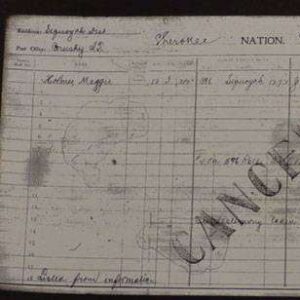
The Lumbee Tribe of North Carolina is one of the largest Native communities in the United States, with roughly 60,000 citizens centered in Robeson County and surrounding areas. The Lumbee have been recognized by the state of North Carolina since 1885, but for generations they have pushed for full federal recognition so their nation can access the same government to government relationship, programs, and resources available to federally recognized tribes.
That struggle has a long, complicated history.
A key turning point came in 1956, when Congress acknowledged the Lumbee but specifically withheld the federal benefits that come with recognition. Decades later, the Lumbee pursued the standard federal acknowledgement process through the Department of the Interior, but their path kept running into that 1956 law and the legal confusion it created.
Over the years, Lumbee leaders continued pushing Congress directly, returning again and again to ask lawmakers to finish what earlier legislation left undone.
This week, that effort finally broke through. Federal recognition for the Lumbee was included in the Fiscal Year 2026 National Defense Authorization Act, a massive defense policy package that often carries a wide range of provisions.
On Wednesday, December 17, 2025, the U.S. Senate passed the NDAA, which in turn secured the Lumbee’s recognition and sent the bill to the president’s desk for signature.
What changes with federal recognition?
It opens doors to federal resources and services, including eligibility for programs and grant funding, plus resources like the Indian Health Service. It also allows the Lumbee to place land into trust, which can increase tribal control and expand economic development opportunities. The language tied to the NDAA also treats Lumbee citizens in Robeson, Cumberland, Hoke, and Scotland counties as living “on or near an Indian reservation” for certain federal eligibility purposes.
As with many recognition efforts, the Lumbee’s case has drawn debate in Indian Country, with some leaders and researchers arguing Congress should require completion of the full administrative recognition process.
Still, for many Lumbee families, this week’s vote represents something simple and powerful: long overdue acknowledgement after more than a century of being told they were “recognized,” but not fully recognized.