To many Native American people, wealth isn’t defined by money. Indigenous wealth means living in bountiful health, speaking Indigenous languages freely, and celebrating family and spirituality through traditional ceremonies. It means rising from a history of colonization and nurturing connection within communities. And it also means securing services to educate those communities in order to improve the quality of life for future Native American generations.
Article Highlights
- What does indigenous wealth mean to Native American people? Rather than financial success, indigenous wealth means maintaining good health, preserving tradition, and preparing younger generations for the future.
- How do Native American tribes in the United States bring in revenue? Many tribes invest in the gaming, entertainment, and hospitality industries.
- What are five of the wealthiest Native American tribes in the United States? Five of the country’s wealthiest tribes are the Oneida Nation, The Gila River Indian Community, the Coeur d’Alene Tribe, the Navajo Nation, and The Shakopee Mdewakanton Sioux Community.
- Where in the United States are some of these tribes located? Some of the wealthiest tribes in the U.S. reside in Wisconsin, Arizona, Idaho, New Mexico, Utah, and Minnesota.
- Into what projects do the wealthiest Native American tribes channel their profits? With their profits, tribes often support housing, education, healthcare, and entrepreneurship in their communities.
But we all know that monetary wealth makes achieving goals such as these…well, easier!
Over the course of the 20th century, quite a few tribes have generated economic success by investing in the gaming, entertainment, and hospitality industries. According to the Oweesta Corporation in their article for Forbes EQ, Indian Country includes 574 federally recognized tribes across 35 states that produce over $130 billion every year from a variety of ventures. Tribes have used this revenue to preserve cultural practices, support entrepreneurs, and pursue solar and wind projects that restore the vibrancy of Native lands. Their business savvy, combined with a long-term vision for freedom from a past of Western oppression, serves to lead them to financial independence from outside assistance, particularly the federal government (Baird).
Now, we must keep in mind that not all tribal members from the tribes listed here – and not all tribes in general – experience the same level of wealth. Many Native American communities still lack the money and resources essential for making progress. They are constantly fighting food insecurity, unemployment, and overcrowding on reservations, and must rely on outreach programs such as The Red Road to access the supplies necessary to survival.
But to celebrate the positive outcomes in Native American communities across the nation, let’s take a look at five of our country’s richest tribes. Where do they reside, how much money have they accumulated, and what are their primary sources of income?
5. Oneida Nation: $1 Billion
The Onʌyoteˀa·ká· (People of the Standing Stone) originated in central New York State, but are now rooted just west of Green Bay, Wisconsin, spanning 65,400 acres of both Brown County and Outagamie County.
The Oneida Nation has amassed a net worth of $1 billion, a landmark number that twinkled in their eye in the early 1990s with the founding of a bingo hall and gas station called SavOn. Today, SavOn convenience stores offer low prices on fuel, groceries, and tobacco products in eight locations. In 1993, the opening of Turning Stone Resort/Casino in Verona, New York launched the Oneida Nation into the glittery, luxurious world of gaming, night life, high-end dining, and wellness. Through a stunning 2026 enterprise entitled Turning Stone Evolution, the Oneida Nation will be transforming their resort into New York’s largest convention destination, with 225,000 square feet of event space, 258 new luxury hotel rooms, and a 30,000 square-foot Grand Ballroom. The cost? Approximately $370 million.
4. Gila River Indian Community: $2.15 Billion
The Pee Posh and Akimel O’odham tribes, settled amongst deep canyons and stately mountains near Phoenix, Arizona, form the Gila River Indian Community (GRIC). Seven districts along the river collaborate to manage the Community’s telecom company, electric utility service, industrial park, and healthcare clinic. They maintain multiple casinos, such as Wild Horse Pass and Lone Butte in Chandler, Arizona; restaurants, such as Kai (the only AAA Five-Diamond/Forbes Five-Star dining spot in the state) and Ko’sin; and the Koli Equestrian Center, where visitors can enjoy leisurely trail exploration on horseback under the guidance of master wranglers.
Thanks to their unwavering commitment to progress, the Gila River Indian Community has achieved a net worth of $2.15 billion. The Community’s 21,300 members continue to foster their own growth with wise investments. GRIC’s notable accomplishments in 2025 included hosting forums for elders to express their concerns and to offer advice, proposing solutions for public safety issues, and bolstering youth leadership. One of the year’s highlights was the installation of the first solar over canal project in America, an innovation that will reduce the Community’s water loss and produce renewable energy from which future generations can benefit (GRIC Newspaper).
3. Coeur d’Alene Tribe: $2.27 Billion
Those who are found here.
The discovered people.
If the Coeur d’Alene of Idaho were to describe their legacy in their ancient language of Schitsu’umsh, these translations would speak to the longevity of their native presence in our country. The Frenchmen who traded fur with the tribe hundreds of years ago called the Schitsu’umsh “heart of the awl” (coeur d’alene), alluding to the hand tool that a craftsman uses to puncture holes in and sew together weightier materials such as leather and canvas. This name reveals a reference to the tribe’s rather wise and even ruthless trading practices.
Today, the Coeur d’Alene tribe is worth approximately $2.27 billion. Its businesses rake in $330 million per year for the state of Idaho through the employment of over 1,700 people and the attraction of consumers eager to spend. For example, the Coeur d’Alene Golf and Spa Resort is a sprawling lakefront wonderworld, complete with a floating golf green, a fleet of pontoon boats and paddleboards, and an array of special events and experiences catered to the season. And the Coeur d’Alene Tribal Development Corporation assists grocery, automotive, and farming businesses in establishing roles in the community, all in the name of boosting the economy.
2. Navajo Nation: $2.5 Billion
The Navajo Nation stretches across parts of Arizona, New Mexico, and Utah, claiming 16 million acres – and over 250,000 members – as their own. The tribe’s discovery of oil on their land a hundred years ago established both their financial fortune and the need for a formal system of government to protect it. Their economic development branch became the catalyst for a century of investment in numerous operations that have transformed into a net worth of $2.5 billion.
Along with oil, gas and coal help to keep the Navajo Nation running on a generous income every year. In addition, the tribe relies on tourism to thrive. In 2006, the tribe founded Navajo Gaming, a Navajo Nation Gaming Enterprise (NNGE) that has produced “four spirited casinos” with over 2,800 slot machines, fine dining options, and shop after shop filled with authentic Navajo artistry and jewelry. For the adventurous sort, hiking amidst the breathtaking formations at Monument Valley and Canyon de Chelly offers a glimpse into the power of natural influences on Navajo life. Any profit that the Navajo people glean from these endeavors funnels right back into the heart of their community, funding education and healthcare.
1. Shakopee Mdewakanton Sioux: $2.7 Billion
The Shakopee Mdewakanton Sioux Community (SMSC) of the Minnesota River Valley tops the list of richest tribes in America, issuing each adult tribal member $84,000 per month. For such a young and small tribe, this dedication to the wellbeing of its people speaks to creative business strategies and a deep sense of responsibility.
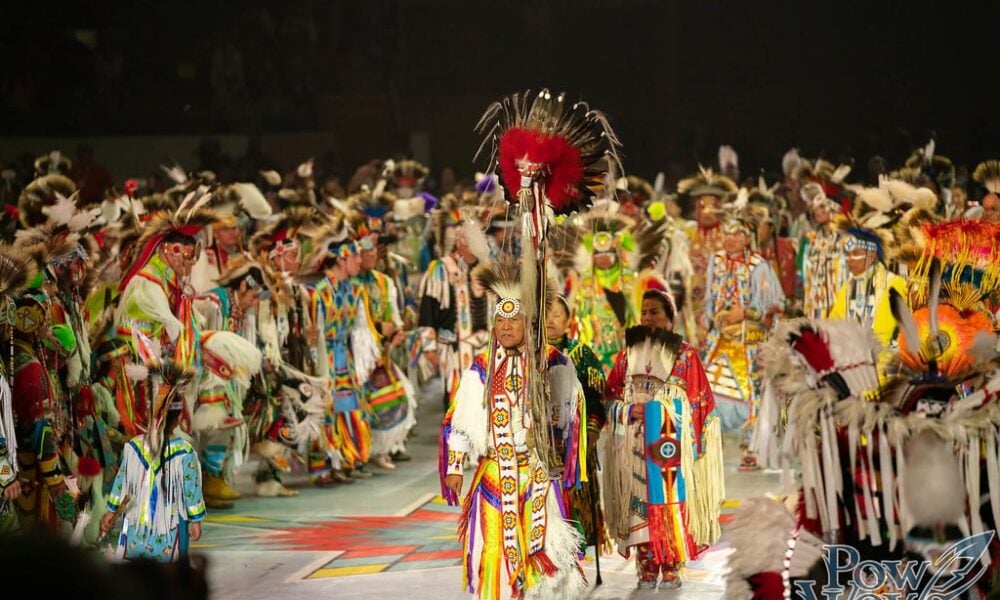
Opening their Las-Vegas-style Mystic Lake Casino in 1992 was the true force that catapulted the Shakopee Mdewakanton Sioux from poverty and unemployment into prosperity. As the years went on, the tribe continued to invest in a variety of other businesses, including Mystic Lake Center, a convention facility; Dakota Prairie Composting, a commercial organics recycling plant; Native Harvest Catering; SMSC Water Bottling; The Meadows at Mystic Lake, an award-winning 18-hole public golf course; and Dakotah Meadows RV Park. The revenue from these enterprises has not overshadowed the mission of the tribe to take care of its people and to prioritize tradition. On the contrary, with this money, the SMSC has been able to move tribal members into modern homes, send young people to college without debt, host pow wows, and nourish the earth with NativeGreen, the tribe’s environmental stewardship program. They also donate millions of dollars each year to tribes both nearby and national that struggle financially, proving their devotion to the virtue of wóokiya – generosity and helping.
This article delves into the financial success stories of the richest Native American tribes in the United States, shedding light on the sources of their remarkable wealth.
Topping the list is the Shakopee Mdewakanton Sioux Community, with a staggering net worth of $2.7 billion. Their affluence primarily stems from the thriving gambling and resort industry, exemplified by their two prominent casinos, the Little Six Casino and Mystic Lake Casino. Each adult member receives a remarkable monthly payment of around $84,000, a testament to the tribe’s economic prosperity. The Navajo Nation follows closely behind, with a net worth of $2.5 billion, driven by revenues from natural resources such as oil, coal, and gas, as well as a significant presence in the casino sector.
The article also spotlights the Coeur d’Alene tribe, amassing a wealth of approximately $2.27 billion, diversified across various industries, including technology products, resorts, and casinos. The Gila River Indian Community in Arizona secures the fourth position with a net worth of $2.15 billion, primarily generated from their eleven casinos and a range of other business ventures.
Lastly, the Oneida Nation, situated between Outagamie and Brown Counties, stands as the fifth richest tribe with a net worth of $1 billion, driven by a communal approach to enterprises such as casinos, tobacco production, convenience stores, and resorts. These tribes exemplify the economic resilience and diversified investments that have propelled them to the pinnacle of Native American wealth in the United States.
Many other tribes are financially strong because of casinos, resorts, or tourism. The Morongo Band of Mission Indian has a resort that AAA awarded their 5 Diamond classification, for example. But many tribes are still struggling as well.
Last Updated on February 26, 2026 by Paul G