At Pow Wows the Jingle Dress is one of the most popular styles of dancing. You’ll hear them before you see them because of the dozens of metal cones attached to the dress. The sound is so unique, you know that a Jingle dancer is nearby immediately.
Steeped in rich history and cultural significance, the Jingle Dress Dance has evolved from a healing ritual into a style of dance seen across Indian Country. Its origins trace back to the early 1900s with the Mille Lacs Band of the Ojibwe Tribe, blossoming in the 1920s across regions like Wisconsin, Minnesota, and Ontario, Canada.
The story behind its inception is a testament to its healing power—an indigenous medicine man’s granddaughter fell ill, prompting him to craft a Jingle Dress at the behest of spirit guides. They prophesied that the dress would heal the child when she danced in it. The tribe came together to witness this magical transformation, a symbol of resilience in the face of adversity, particularly during the 1918 flu pandemic and the subsequent federal ban on ritual dancing at Indian reservations in the 1920s.
The Jingle Dress Dance is commonly seen in modern pow wows, performed by women and girls in First Nations and Native American communities.
The dance gets its name from the rows of metal cones—called “ziibaaska’iganan”—attached to their dresses, which make a distinctive sound as they dance.
Jingle Dance Video
Read on to learn everything you need to know about the Jingle Dress Dance.
History of the Jingle Dress Dance
The Jingle Dress Dance began with the Mille Lacs Band of the Ojibwe Tribe in the early 1900s and became prevalent in the 1920s in Wisconsin and Minnesota (Great Lakes region) in the US and in Ontario, Canada.
The story is that the dress was first seen in a dream. A medicine man’s granddaughter grew sick, and as the man slept his Indian spirit guides came to him and told him to make a Jingle Dress for the little girl. They said if the child danced in it, the dress would heal her.
The Jingle Dress was made, and the tribe came together to watch the child dance. At first, the child was too sick to dance alone so her tribe carried her, but after some time, the little girl was able to dance alone, cured of her sickness.
It’s likely that the sickness the little girl was experiencing was a part of the 1918 flu pandemic, which hit the Native American communities hard close to the Great Lakes. This was closely followed by a federal ban on ritual dancing at Indian reservations in the 1920s. The dance has since been not only a ritual of healing but also one of pride.
Back in 2018, the Mille Lacs Indian Trading Post and Museum even launched an exhibit with photos commemorating the epidemic and the 100th anniversary of the dress and dance. The exhibit, which sheds light on the history of the Jingle Dress and Dance, was developed in partnership with the University of Minnesota Department of American Studies and the Mille Lacs Ojibwe community.
What Do Jingle Dresses Look Like?
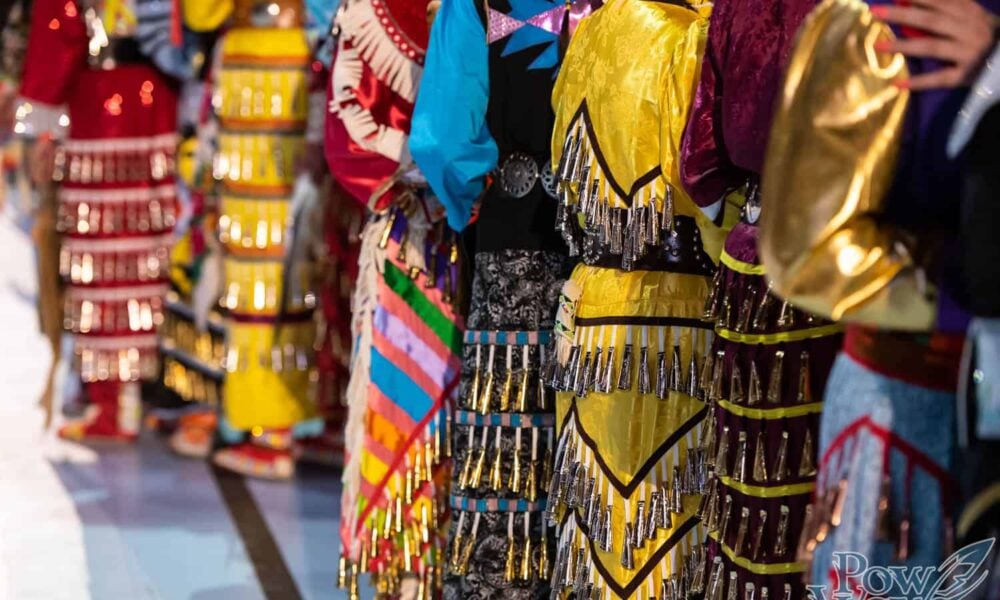
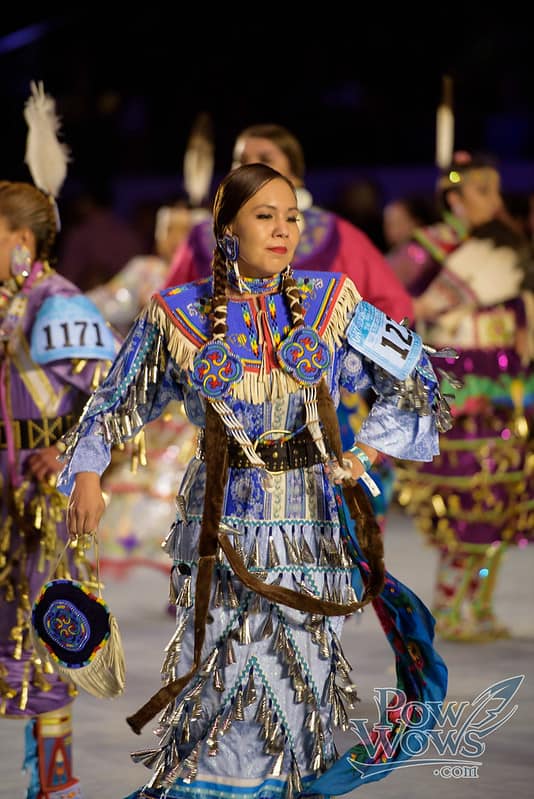
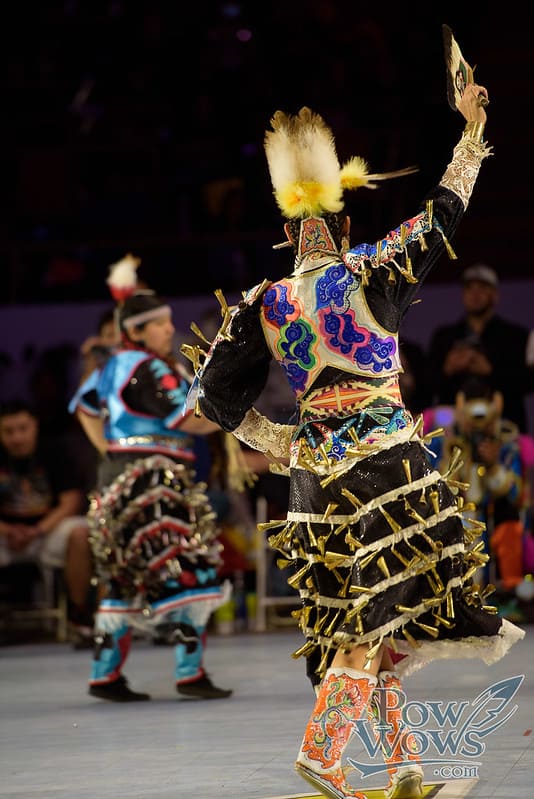
As mentioned above, the dance gets its name from the rows of ziibaaska’iganan (metal cones) sewed to the dress. These cones are traditionally made from rolled snuff can lids and hung from the dress with ribbon close to one another, so they make a melodic sound as the girls and women dance.
Traditionally, the dress is adorned with 365 visible jingles or cones. Nowadays, these cones are often machine-made, and number less and more then 365 depending on the creator of that specific dress.
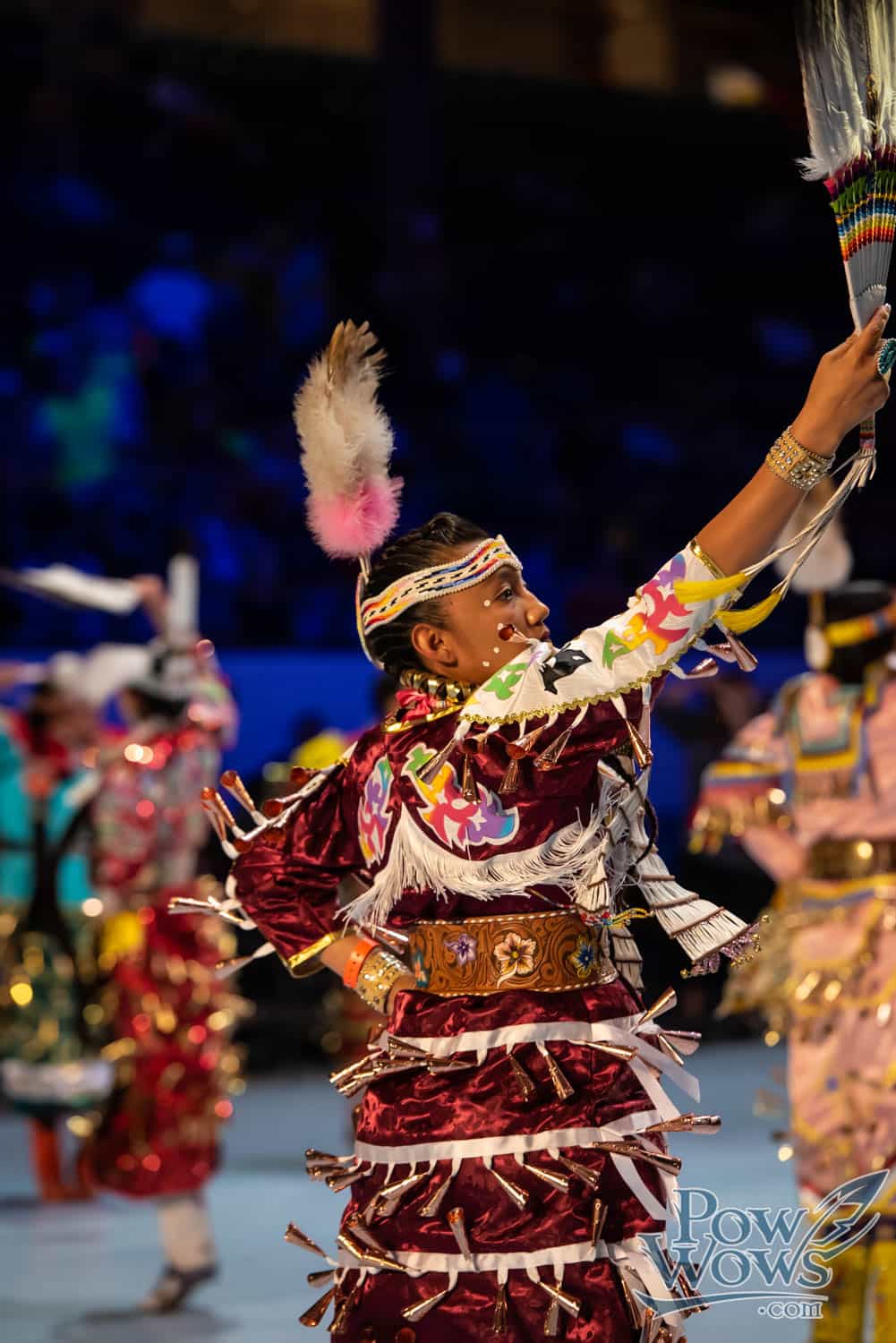
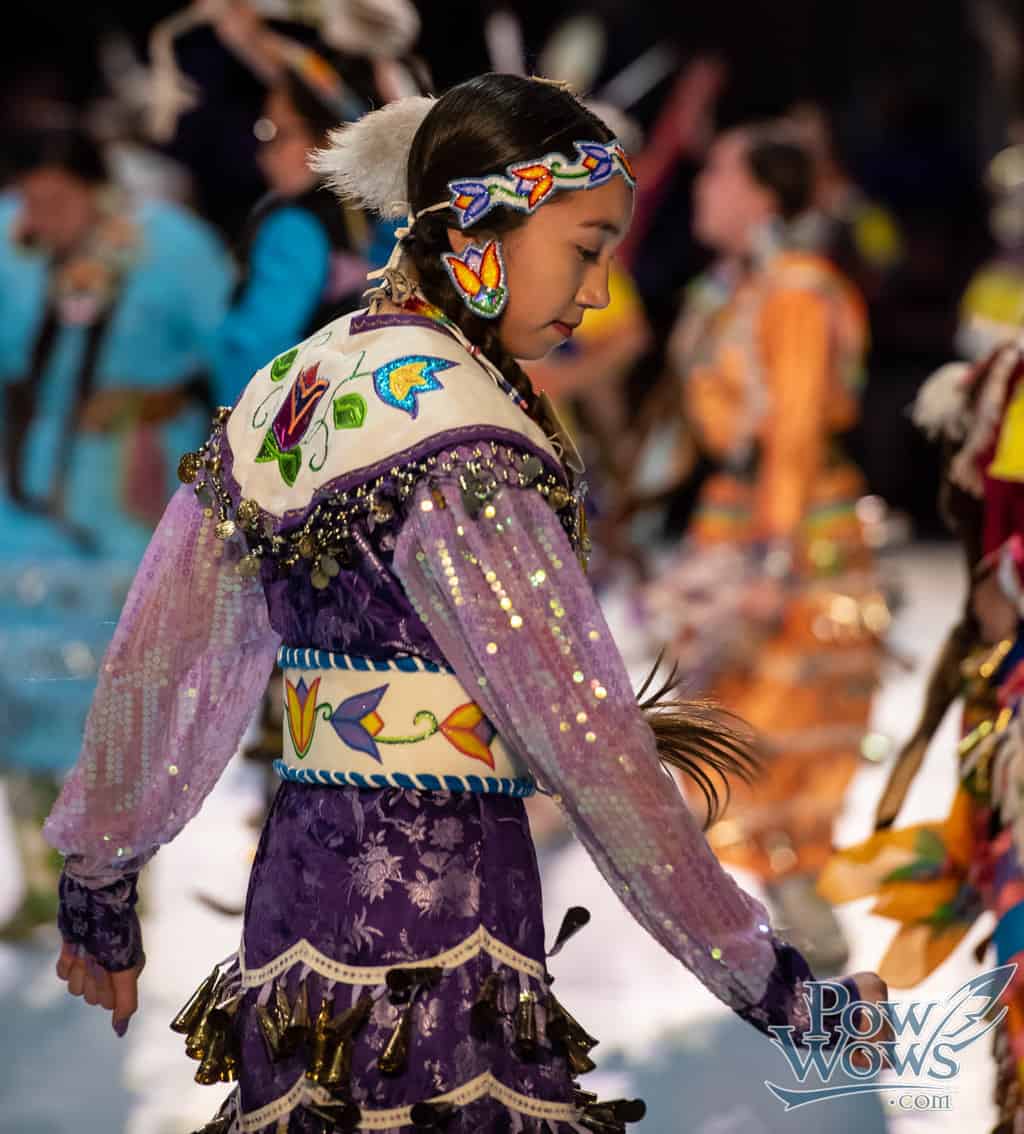
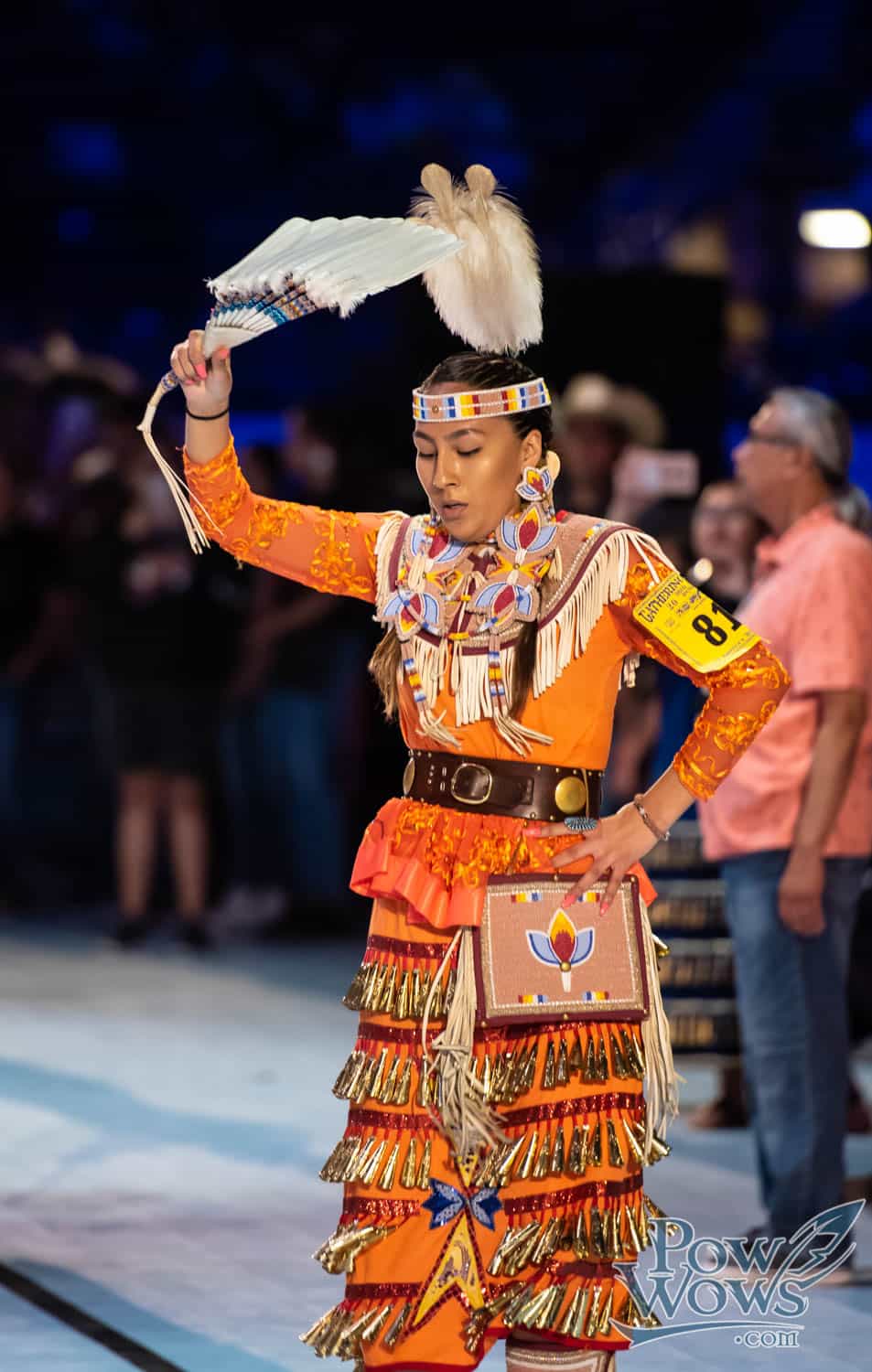
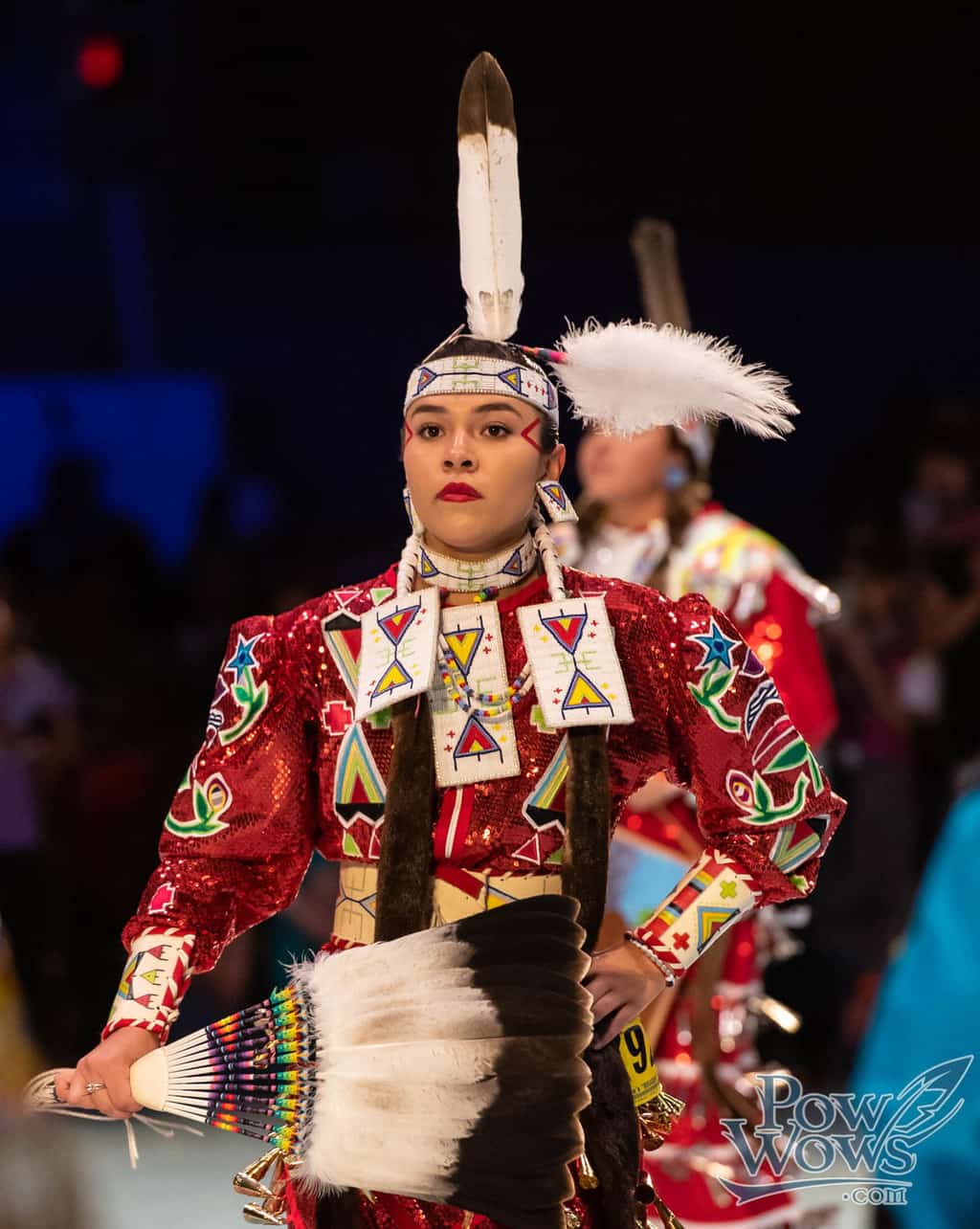
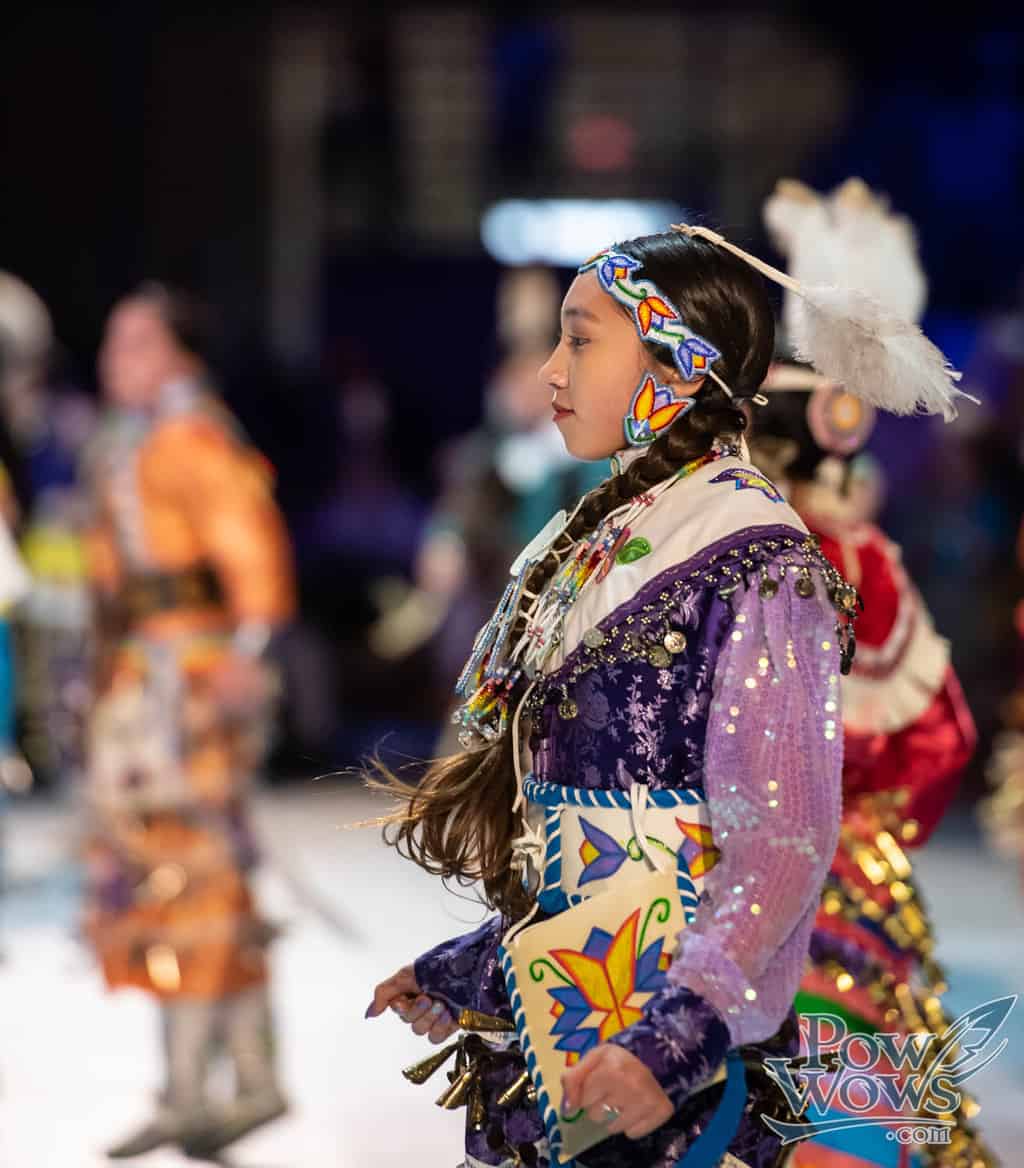
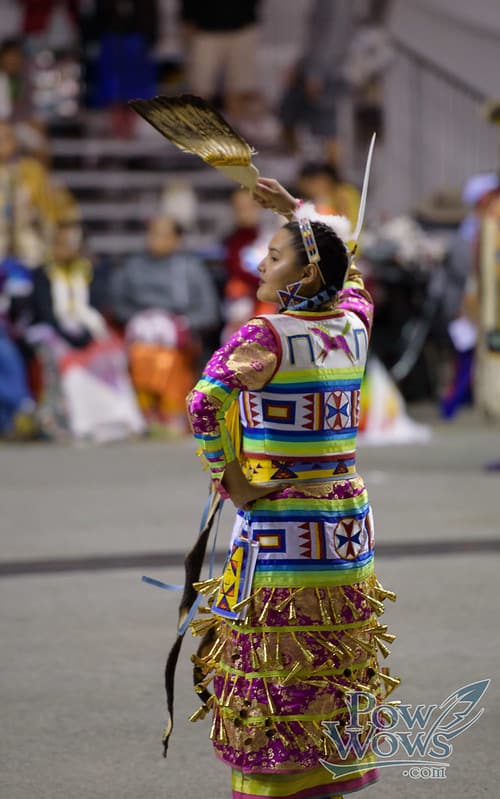
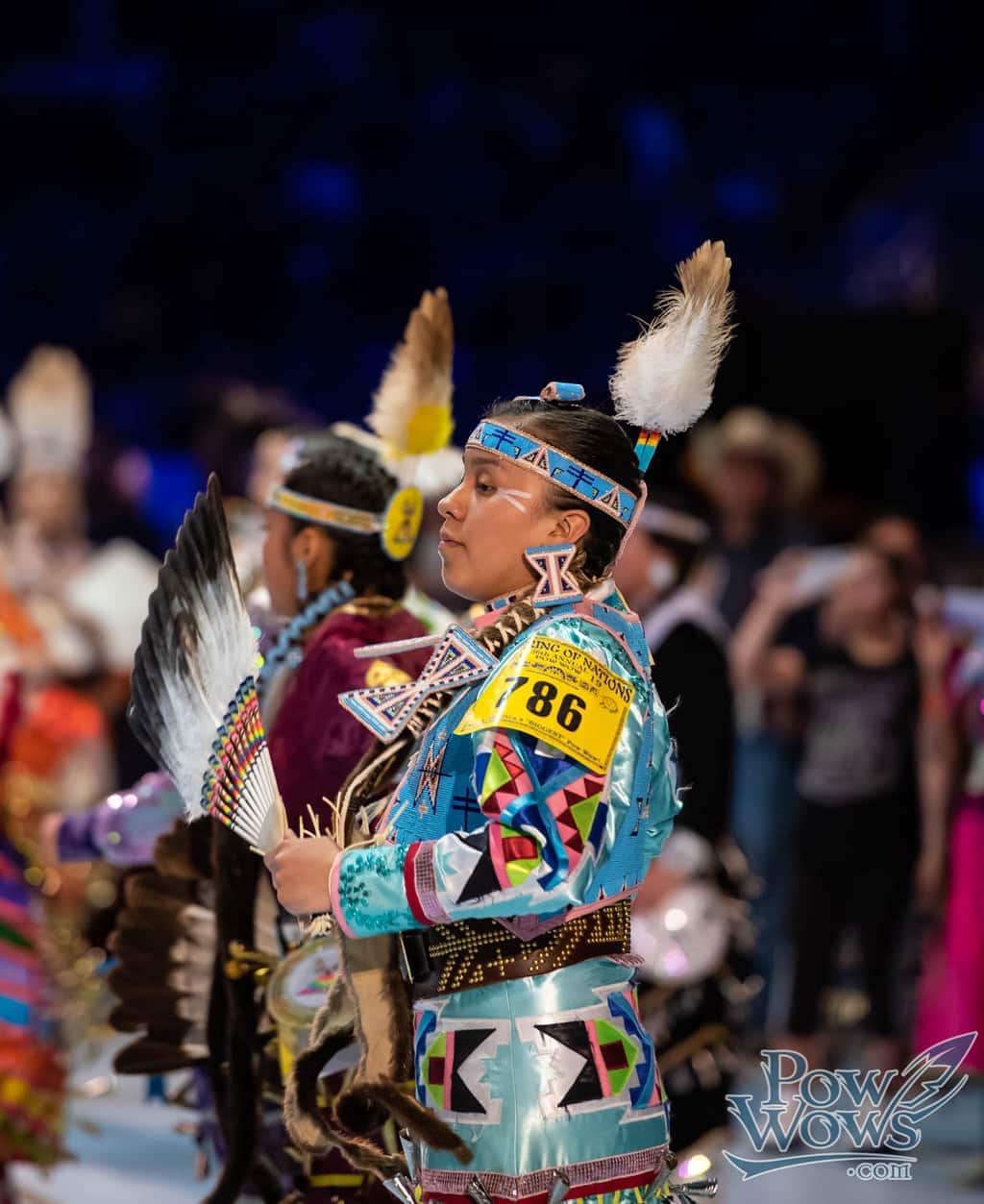
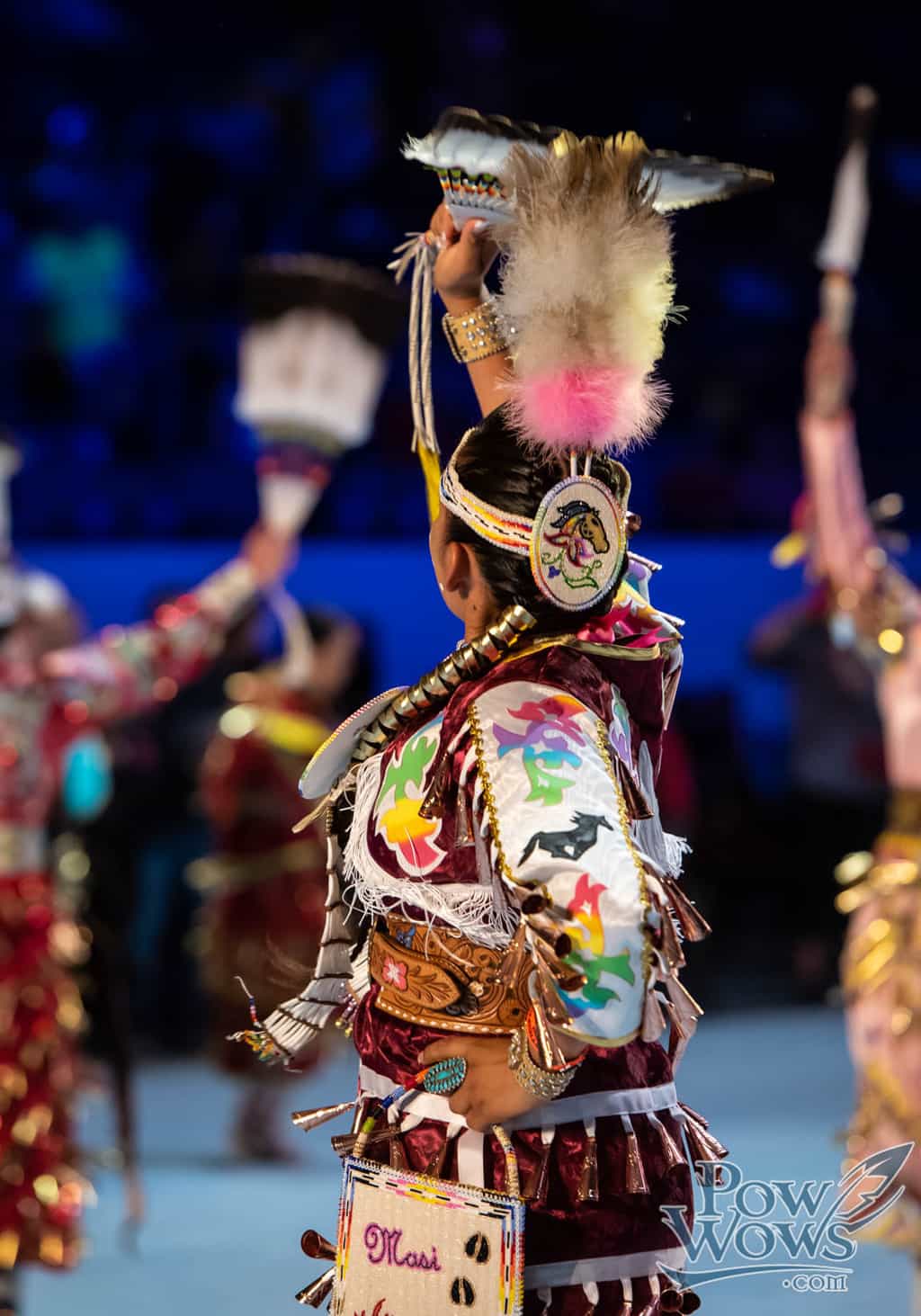
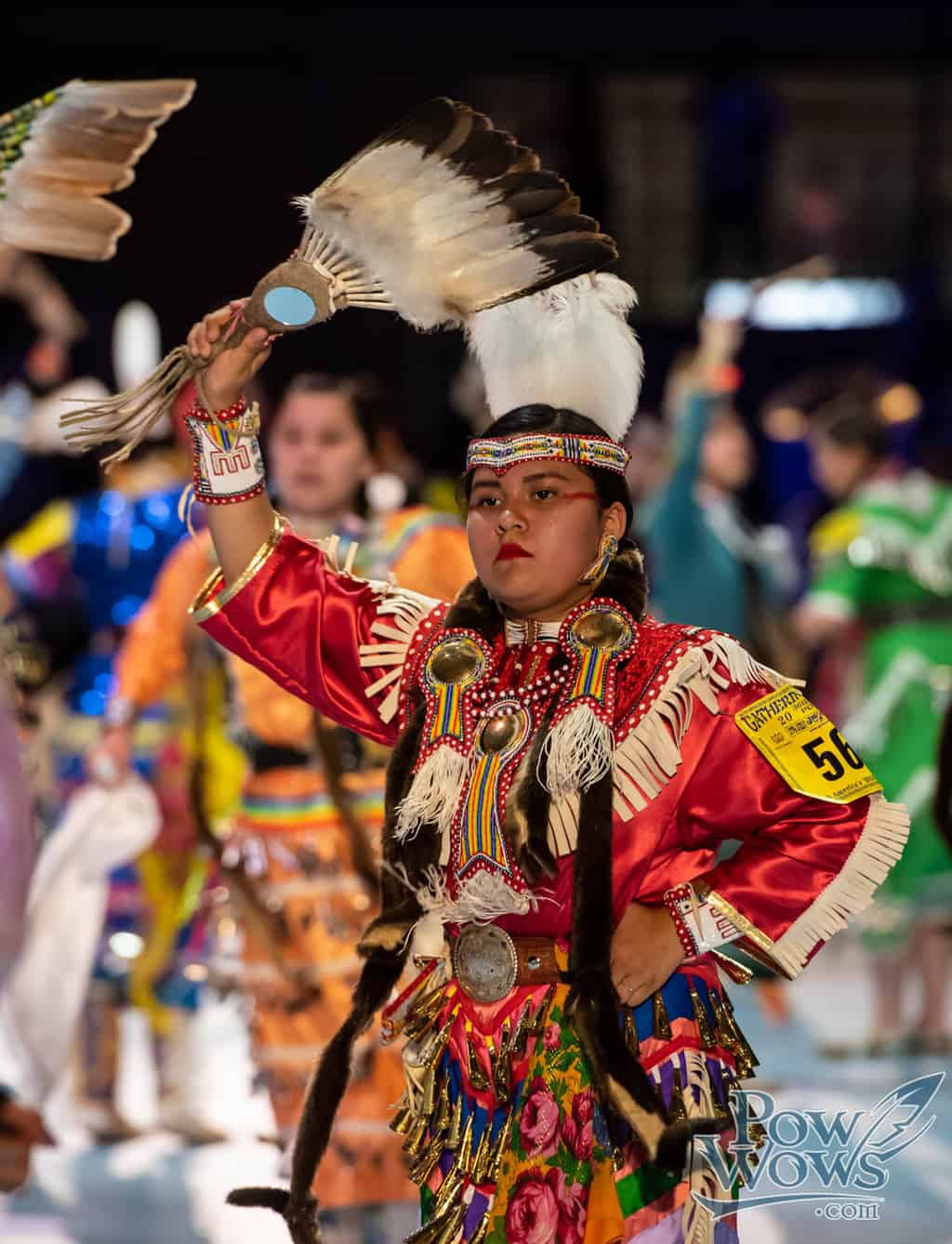
The dresses come in every color imaginable, from yellow to bright blue, to deep red, and accented with sparkles and even neon-colored fabrics. They are often made with shiny and sparkly materials and decorated with fringes, embroidery, beading, and more.
They usually have three-quarter length to full-length sleeves and come down to mid-calf or the ankle. They are secured at the waist with a thick belt, often made of brown leather. On their feet, the dancer wears decorative moccasins embellished with the same kind of detail found on their dresses.
Traditionally, the dresses were often made from old formalwear and other repurposed dresses and didn’t include the decorative beadwork, or the beaded leggings we see today on and beneath the dresses.
What are the steps for the Jingle Dance?
As the ziibaaska’iganan hit one another it sounds like rain falling, so it’s important for the dancer to be light on their feet, to move in time with the drum and stop when the beat stops.
They keep their foot movements low to the ground while dancing, kicking their heels and bouncing on their toes to the music. Typically, this dance is done in a zigzag pattern, said to represent one’s journey through life—or so the story goes.
Often, they keep their hands on their hips, and if they are dancing with a feathered fan (full of neutral colors, like eagle feathers) as the more modern Jingle Dress Dancers do, they will raise it into the air as they dance to receive healing.
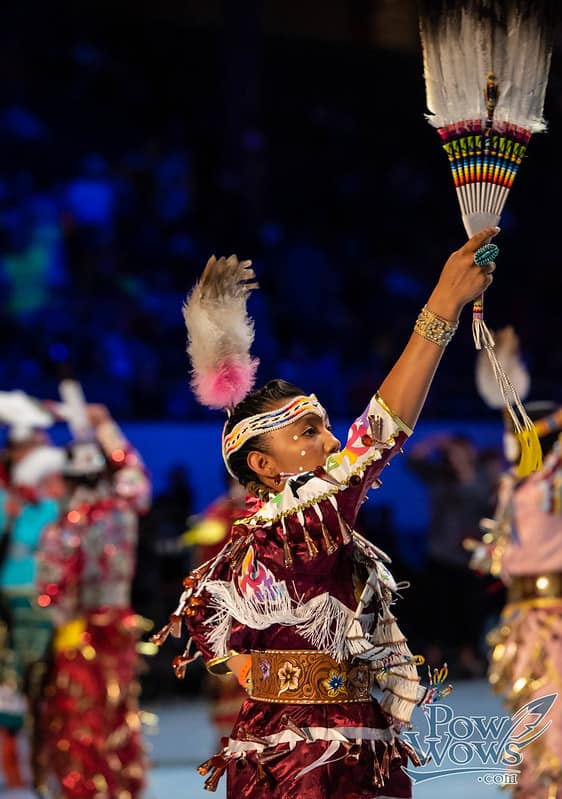
The traditional dance involves low, soft-footed steps, as could be performed by those who were sick, while the modern competitive dancers push the boundaries some as they try to out-dance their competitors. The manner in which the dance has evolved has built firmly on its origin story.
How To Jingle Dance
How To Crow Hop, Double Beat, and Side Step
What are the songs and music for Jingle Dance?
The music for this style of dancing has a foundation of a solid drumbeat, and of course, the metal cones make a loud jingling (hence the name) as the women move, which contributes to the music you’ll hear at a Jingle Dress Dance.
Jingle Dancers will usually dance to Northern drum groups. Special songs for Jingle Dance include a Side Step or Crow Hop.
Jingle Dance Photos

Last Updated on January 2, 2025 by Paul G