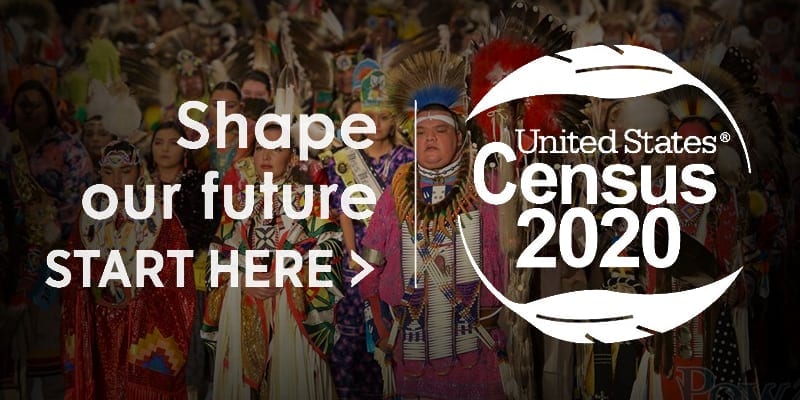
The 2020 United States Census is upon us. While the average response rate for the country as a whole is currently 60.8%, Native American tribes, such as the Navajo Nation, is under 1%.
A major reason why there is such a stark contrast between response rates is because Native tribes have been especially hard hit by COVID-19. Many were not even able to receive their 2020 Census to fill out.
However, deliveries have started to resume, but overall response rates for tribes like the Navajo Nation are very likely to stay significantly lower than the national average.
The Importance of the Census
The US Census is a questionnaire that can be filled out by mail, phone, or online. When filled out, it ensures that every individual is counted. It will also make sure they are counted at the right time at the correct location.
This year, the first person counted was an Alaskan Native American. This was done to send a message to the rest of Native Americans that the government is looking to ensure those who have been under-represented for so long will finally be counted.
Making sure that everyone, including Native Americans, is counted in the Census is vital for a number of reasons.
One example that has become especially timely is that a state will receive more or less representation in the US House of Representatives, depending on their population. Montana is now facing an issue with not getting another representative for their state, due to the low Census response rate of Native Americans in the state. The Blackfeet Indian Reservation in Montana has seen just 7.3% of its residents fill out the Census. At the Northern Cheyenne Indian Reservation, also in Montana, only 3.6% responded.
The loss in political power is not the only issue involving an undercount of Native tribes. The Census population data is also used by a state’s redistricting commission to redraw where legislative districts are. The reason this is important is because it will govern how billions of dollars in federal funding is used for a particular state. If there are less Native Americans being represented in the official Census figures, then they will likely receive far less federal funding than they should get.
This perpetuates the endless cycle of disenfranchisement and poverty that Native tribes across America face today. It causes schools to be funded and leads to people who need mental health services not to receive what can help them.
Beyond these, there are hundreds of various federal programs that are affected by the data collected from the Census. Altogether, there is $1.5 trillion of funding that is available annually. When Native Americans are undercounted, they receive a fraction of what they should be getting from these federal programs.
Native Americans have been historically under-represented in the US Census. The latest Census appears to be no different. In fact, the coronavirus appears to have made the under-representation even more pronounced.
Shape Our Future
For far too long, Native tribes have been underfunded and under-represented due to being undercounted. Due to the problem of being undercounted, the amount of resources flowing into Native American communities is far less than is needed. While there are concerted efforts being made by the US Census to get as many Native Americans counted as possible, the COVID-19 pandemic has made the process especially challenging. Nevertheless, there is some progress being made, but unfortunately, it may not be enough.